
Standard
IPC/WHMA-A-620 workmanship, applied to every wire harness we ship.
The industry-standard acceptability specification for cable and wire harness assemblies. We build to IPC/WHMA-A-620 Class 2 by default and Class 3 for aerospace, medical, and high-reliability programs — with the documentation to prove it.
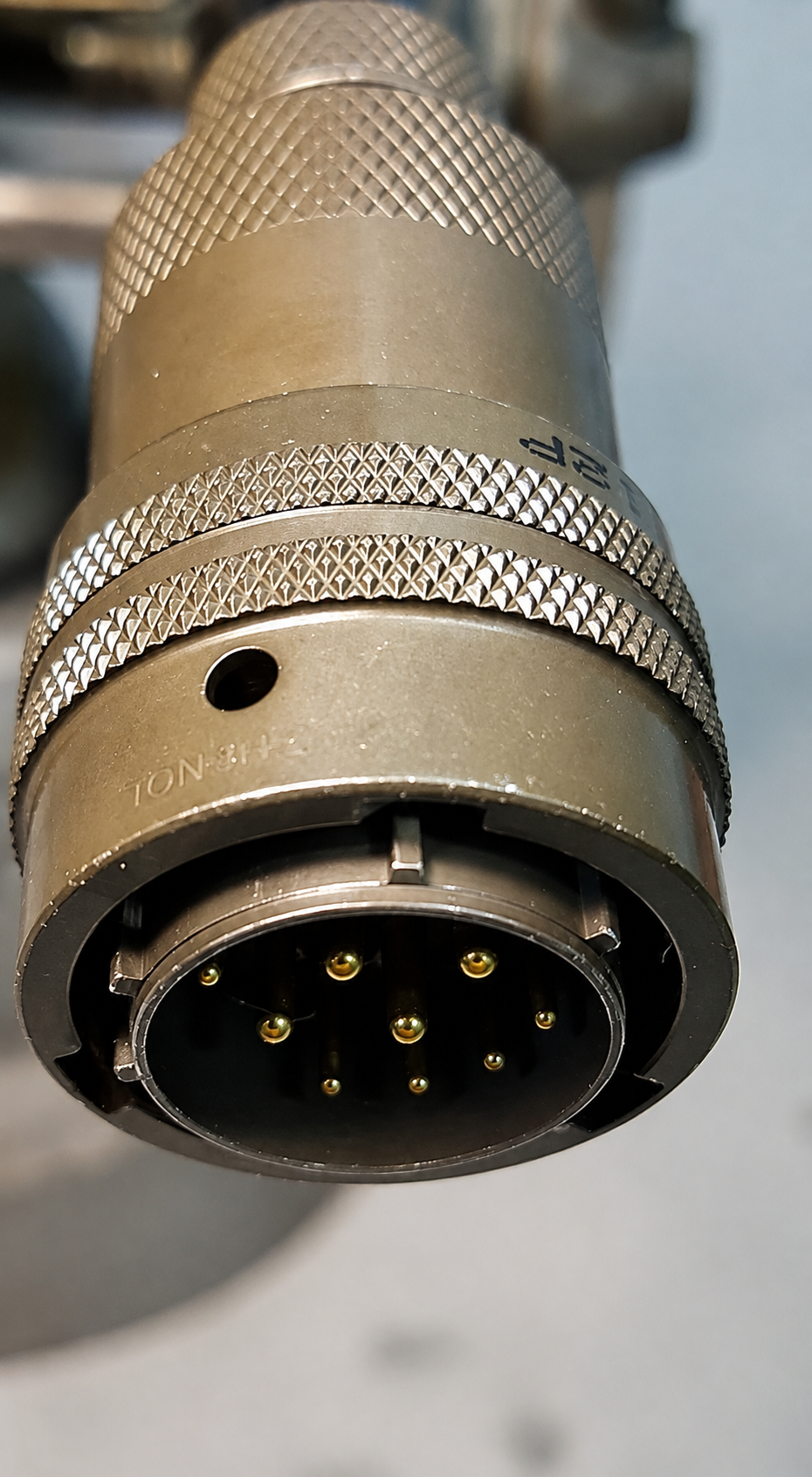
Capabilities & standards
- Class 2 default for commercial builds
- Class 3 for aerospace, medical, defense
- Crimping, stripping, and soldering to A-620 criteria
- Marking, labeling, and dressing per A-620
- Documented workmanship inspection records
- Trained, IPC-aware operators
FAQ
Common questions
What is IPC/WHMA-A-620?
IPC/WHMA-A-620 is the industry-standard acceptability specification for cable and wire harness assemblies. It defines workmanship criteria for crimping, soldering, stripping, marking, and testing.
Do you build to Class 1, 2, or 3?
We default to Class 2 for commercial builds and Class 3 for high-reliability aerospace, medical, and defense applications. Specify the class in your PO or drawings.
Are your operators certified?
Our operators work to IPC/WHMA-A-620 workmanship criteria. Certification records are available on request for programs that require them.
What's the difference between Class 2 and Class 3?
Class 2 accepts wider workmanship variation for general-purpose products. Class 3 requires tighter tolerances and stricter defect criteria for products where downtime cannot be tolerated.
Does IPC/WHMA-A-620 apply to my project?
It's the default acceptability standard across aerospace, medical, defense, and industrial harness builds. If your customer doesn't specify, A-620 Class 2 is a reasonable default.
Still have a question? Tap the chat button for a quick answer anytime, or send us your drawings.
Ready to spec your build?
Send drawings or a BOM 24/7 — our USA-based Sales team responds during business hours.